


Why Your Pet’s Appetite Changes Matter and When to Call the Vet

A pet’s food bowl can tell you a lot. A dog who suddenly walks away from breakfast, a cat who begs for dinner twice, or a rabbit who leaves pellets untouched may be showing one of the earliest signs that something has changed.
Appetite is tied to comfort, routine, metabolism, dental health, digestion, stress, and illness. Some changes are mild and short-lived. Others need quick attention. The key is knowing what is normal for your pet, noticing patterns early, and acting before a small problem becomes a serious one.
This guide is informational only and does not replace veterinary care. If your pet seems unwell, painful, weak, or unlike themselves, call your veterinarian.

Appetite changes are clues, not diagnoses
A change in appetite does not point to one single cause. Pets may eat less because they feel nauseated, stressed, sore, anxious, or uninterested in a new food. They may eat more because they are more active, growing, pregnant, receiving certain medications, or dealing with a medical condition that affects hunger and metabolism.
That is why context matters.
A pet who skips one meal but acts bright, drinks normally, and returns to eating may simply have had a mild upset stomach or a change in routine. A pet who refuses food, hides, vomits, pants, drools, loses weight, or drinks much more than usual needs more attention.
Even small appetite shifts are worth tracking because pets often hide discomfort. Cats, in particular, may withdraw or eat less long before they show obvious signs of illness. Dogs may continue to wag their tails even when they do not feel well. Birds, rabbits, and other small pets can decline quickly when they stop eating.
The goal is not to panic over every half-eaten meal. The goal is to build the habit of noticing.
A useful question is:
Is this appetite change brief and explainable, or is it ongoing, unusual, or paired with other symptoms?
If the answer is unclear, a quick call to your veterinarian can help you decide what to do next.
Reasons your pet may be eating less
Decreased appetite can range from mild pickiness to a medical emergency. The cause may be physical, emotional, environmental, or related to the food itself.
Pain or illness can reduce hunger
Many health issues can make food less appealing. Nausea, fever, infections, kidney disease, liver problems, pancreatitis, intestinal upset, dental disease, and pain can all lower appetite.
Dental pain is easy to miss. A pet may approach the bowl, sniff the food, then walk away. They may chew on one side, drop kibble, prefer soft food, paw at the mouth, or have bad breath. These signs can look like “being picky,” but the real issue may be discomfort.
Digestive problems can also change eating habits. Vomiting, diarrhea, gas, drooling, lip licking, or repeated swallowing may suggest nausea or stomach upset. Some pets eat grass when nauseated, while others avoid food completely.
A sudden loss of appetite matters most when it comes with signs such as:
Low energy or weakness
Vomiting or diarrhea
Coughing, labored breathing, or panting at rest
Signs of pain, such as whining, hiding, limping, or a hunched posture
Bloated or painful belly
Pale gums
Collapse or confusion
Increased thirst or urination
Weight loss
If any of these appear, do not wait several days to see if things improve.
Stress can affect the food bowl
Pets are sensitive to changes in their environment. A move, new baby, visiting family, construction noise, a different feeding location, or a new pet in the home can affect appetite.
Cats may stop eating if their bowl is near a loud appliance, a busy hallway, or another cat who guards the area. Dogs may eat less after boarding, travel, a schedule change, or a stressful event such as fireworks.
Stress-related appetite changes often come with other behavior clues:
Hiding more than usual
Restlessness or pacing
Clinginess
Changes in sleep
Litter box accidents
More barking, meowing, or vocalizing
Guarding food or eating only when alone
A calmer feeding setup can help. Offer food in a quiet place, keep mealtimes predictable, and avoid crowding pets while they eat. In multi-pet homes, separate feeding areas can prevent competition and reduce pressure.
Food changes can cause confusion or stomach upset
A new diet may be healthier on paper, but a sudden switch can upset your pet’s stomach or make them suspicious of the bowl. Changes in texture, smell, kibble size, protein source, temperature, or bowl type can all affect interest.
When possible, switch foods gradually over several days. Mix the new food with the old food, slowly increasing the new portion while watching stool, energy, and appetite.
Also check the basics. Food can go stale, especially if stored in a warm place or kept in an open bag. Some pets refuse food that smells “off” long before a person notices. Wash bowls often, keep food sealed, and check expiration dates.

Reasons your pet may be eating more
Increased appetite can seem less concerning than loss of appetite. After all, eating well feels like a good sign. Yet a sudden or ongoing increase in hunger can also point to a problem, especially if your pet is losing weight, drinking more, or acting restless.
Normal life changes can increase hunger
Some appetite increases are expected. Puppies and kittens need more calories as they grow. Active dogs may need more food during hiking season or after starting a more intense exercise routine. Pets may also seem hungrier in cooler weather if they spend active time outdoors.
Pregnancy and nursing raise calorie needs. Some pets also show more interest in food after recovering from illness or surgery.
If your pet is otherwise healthy, maintaining a stable weight, and acting normal, the reason may be simple. Still, feeding more should be done carefully. Overfeeding can lead to weight gain, joint strain, and other health problems.
Medical conditions can drive hunger
Certain health issues can make pets feel hungry even when they are eating enough. Diabetes, thyroid disease, digestive absorption problems, parasites, and some hormonal disorders can affect appetite and weight.
Medication can also play a role. Steroids, some seizure medications, and other prescriptions may increase hunger. Never stop or change medication without veterinary guidance. Instead, ask your veterinarian whether appetite changes are expected and how to manage them safely.
Watch for increased appetite paired with:
Weight loss despite eating more
Increased thirst
More frequent urination
Accidents in the house
Vomiting or diarrhea
Pot-bellied shape
Coat changes
Restlessness or behavior changes
These signs deserve a veterinary exam.
Boredom can look like hunger
Some pets ask for food because they are bored, under-stimulated, or used to getting attention through begging. This is especially common when treats are frequent or mealtimes are not consistent.
Food puzzles, slow feeders, training games, sniff walks, and play sessions can help separate true hunger from a need for enrichment. If a pet settles after activity or attention, food may not be the only thing they were asking for.
That said, do not assume a pet is “just begging” if the behavior is new. A big change in appetite always deserves a closer look.

How to observe your pet’s eating habits
Good monitoring does not need to be complicated. A few simple habits can give your veterinarian helpful information and help you spot changes sooner.
Learn your pet’s normal pattern
Start with what is typical for your pet. Some dogs eat as soon as the bowl touches the floor. Others graze. Some cats prefer several small meals. Some pets eat less in hot weather or when their routine changes.
Pay attention to:
How quickly your pet starts eating
How much food is left after each meal
Whether they chew normally
Whether they seem excited, hesitant, or uncomfortable
How much water they drink
Stool quality and bathroom habits
Body weight and body shape
Treat intake and access to table scraps
If multiple people feed your pet, agree on one system. Appetite tracking becomes less useful if one person adds extra food, another gives treats, and no one knows how much the pet actually ate.
Measure meals instead of guessing
Use a measuring cup or kitchen scale for meals. “A scoop” can vary a lot from day to day. Measured portions make appetite changes easier to see.
If your pet eats dry food, note how much goes into the bowl and how much remains. If they eat wet food, mark how much of the can or pouch they finished. For pets on prescription diets or weight plans, accurate measuring matters even more.
A simple notebook, calendar, or phone note works well. You do not need a long journal. A few words can be enough:
What to track | Why it helps |
Meal amount eaten | Shows whether appetite is truly changing |
Water intake | Helps spot thirst changes that may need care |
Vomiting or diarrhea | Links appetite changes to digestive signs |
Energy level | Gives context beyond the food bowl |
Weight | Shows whether calorie intake matches body condition |
Medication or diet changes | Helps identify possible triggers |
Watch the whole pet, not just the bowl
Food intake is one part of the picture. A pet who eats normally but loses weight still needs attention. A pet who eats less but remains active may still need care if the pattern continues. A pet who eats more and drinks more needs a different type of concern than a pet who eats more after extra exercise.
Body language matters too. A dog who stands over the bowl but does not eat may feel nauseated. A cat who licks gravy but leaves chunks may have mouth pain. A rabbit who ignores hay may have a serious digestive concern. A bird who leaves favorite foods untouched may be hiding illness.
Look for changes in posture, grooming, breathing, sleep, social behavior, and bathroom habits. These details help your veterinarian decide what tests or treatments may be needed.
When to call the veterinarian
Few pet owners want to overreact, but waiting too long can make care harder. When appetite changes are sudden, severe, or paired with other symptoms, calling your veterinarian is the safest choice.
Call right away for urgent signs
Seek veterinary guidance as soon as possible if your pet refuses food and also has vomiting, diarrhea, weakness, trouble breathing, collapse, obvious pain, bloating, seizures, pale gums, or signs of poisoning.
Call promptly if a cat goes about a full day without eating, especially if the cat is overweight or seems unwell. Cats can develop serious liver problems when they do not take in enough calories. Small pets such as rabbits, guinea pigs, and birds also need fast care when they stop eating because their health can decline quickly.
Puppies, kittens, senior pets, pets with diabetes, pets with kidney disease, and pets on regular medications should be treated with extra caution. They have less room for error when nutrition changes.
Schedule a visit for ongoing changes
Make an appointment if appetite changes last more than a day or two, keep coming back, or come with weight changes. The same is true if your pet eats more than usual for several days without an obvious reason.
Bring your notes to the visit. Include the food brand and type, portion sizes, treat amounts, medication list, stool changes, vomiting episodes, and water intake. If safe to do so, a short video of your pet approaching or avoiding the bowl can also help.
Your veterinarian may ask about your pet’s history, examine the mouth and body, check weight, and recommend lab work or other tests. The goal is to find the cause, not just coax your pet into eating.
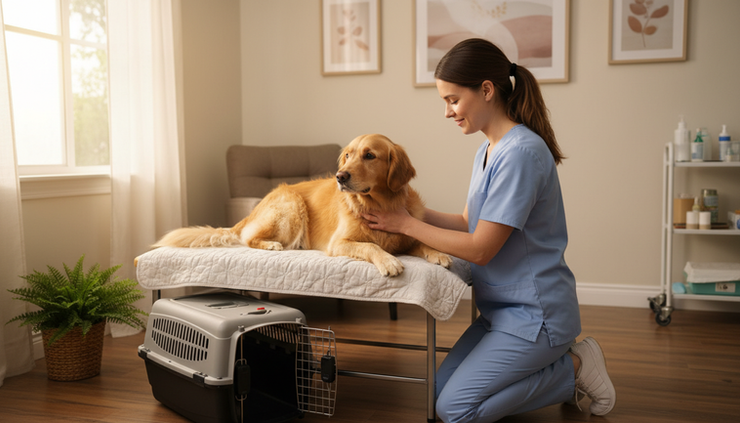
Staying proactive helps your pet feel cared for
Appetite changes matter because they are often one of the first clear signs that something is different. Sometimes the answer is simple, like a new food, a stressful weekend, or too many treats. Other times, the food bowl points to pain, nausea, dental disease, hormone changes, or another health issue that needs care.
The best approach is steady and attentive:
Know your pet’s normal eating pattern.
Measure meals and treats.
Notice changes in thirst, weight, energy, and bathroom habits.
Make diet changes gradually when possible.
Create a calm, safe feeding area.
Call your veterinarian when changes are sudden, severe, or unexplained.
A pet cannot explain why breakfast does not smell right or why hunger suddenly feels constant. Careful observation gives them a voice. When you stay curious, keep notes, and ask for help early, you give your pet the best chance to stay comfortable, nourished, and well.


Comments