


Why Do Dogs Sleep So Much? Understanding Normal Rest, Breed Needs, and Warning Signs

A dog can sprint after a ball, patrol the yard, investigate every sound in the house, eat dinner with great enthusiasm, then sleep like the world has ended for the rest of the afternoon. For many dog owners, that raises a fair question: is all that sleep normal?
Most of the time, yes. Dogs naturally sleep more than people do. Their bodies are built for short bursts of activity followed by long periods of rest. Sleep helps them recover, grow, process what they learn, and keep their immune system working well.
Still, “normal” depends on the dog. A 10-week-old puppy, a senior Labrador, and a young Border Collie will not have the same sleep needs. The key is learning what is typical for your dog, then watching for changes that do not fit their usual pattern.
This article is for general education and should not replace veterinary care. If a dog’s sleep habits change suddenly or come with other symptoms, a veterinarian is the right person to help.
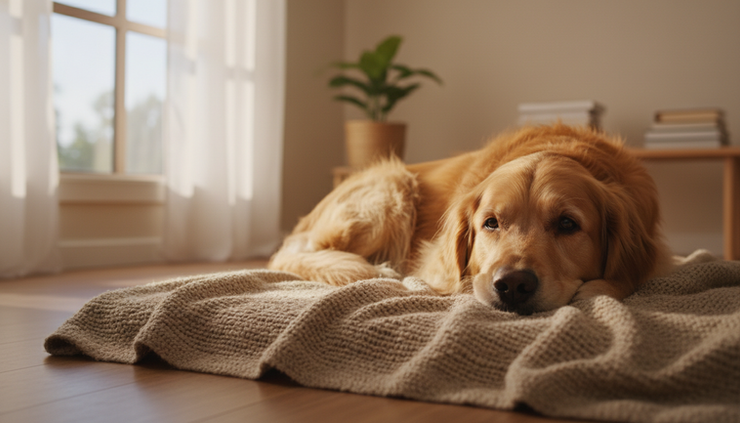
Dogs sleep a lot because their bodies are designed that way
Dogs are not usually active for one long block of time the way many people are. They tend to follow a pattern of waking, checking their environment, eating, playing, moving around, and resting again. Even healthy adult dogs may sleep for a large part of the day.
A typical adult dog often sleeps around 12 to 14 hours in a 24-hour period. Some dogs sleep less, especially if they are busy and mentally engaged. Others sleep more, especially if they are young, old, large, calm by nature, or recovering from a full day of activity.
Dogs also experience different sleep cycles than humans. People usually sleep in one long overnight stretch. Dogs often sleep in several shorter periods. They nap, wake up quickly, respond to sounds, change positions, and drift back off. That lighter, more flexible sleep pattern can make it seem like they are always sleeping, even if their total rest is normal.
Sleep supports several basic needs:
Physical recovery
Muscles and joints recover after walks, play, running, jumping, and even routine movement around the house.
Brain development and learning
Puppies and young dogs need sleep to process new experiences, training, sounds, smells, and social cues.
Immune support
Rest gives the body time to repair and maintain normal defenses.
Emotional balance
Tired dogs can become more irritable, anxious, mouthy, or overexcited. Good sleep helps many dogs stay steadier.
Energy conservation
Dogs are natural opportunists. If there is nothing useful to do, resting is an efficient choice.
This is one reason the question “Why do dogs sleep so much?” has a simple answer at first: because sleep is part of normal canine biology. The more useful question is whether a specific dog’s sleep fits their age, breed, health, and lifestyle.
Age has a big effect on how much sleep a dog needs
Age is one of the strongest factors in canine sleep. A puppy’s sleep schedule can look extreme compared with an adult dog’s, while a senior dog may slowly return to longer naps as the body ages.
Dog life stage | Common daily sleep range | Why they may need that much |
Puppies | 18 to 20 hours | Rapid growth, brain development, new experiences, short energy bursts |
Young adults | 12 to 14 hours | Stable energy, regular activity, physical recovery |
Mature adults | 12 to 16 hours | Breed, daily routine, fitness level, health all matter |
Senior dogs | 14 to 18 hours | Lower stamina, joint comfort, slower recovery, age-related changes |
These ranges are general. A dog who gets a long hike, daycare visit, training class, or exciting social day may sleep more afterward. That is usually not a concern if the dog wakes easily, eats normally, moves comfortably, and returns to their normal rhythm within a day or so.
Puppies need sleep to grow and learn
Puppies may play wildly for 20 minutes, then collapse into a deep nap. That cycle is normal. Their bodies are growing quickly, and their brains are taking in the world at high speed.
A puppy may need sleep after:
Meeting new people
Learning house training routines
Practicing basic cues
Exploring a new room or yard
Playing with safe toys
Visiting the veterinarian
Hearing unfamiliar sounds
Puppies who do not get enough rest can become frantic rather than calm. They may bite more, ignore cues, bark, zoom around, or seem unable to settle. A regular nap routine can help them feel more secure.
Adult dogs vary widely
Healthy adult dogs often settle into a predictable rhythm. They may sleep overnight, nap while people are at work or school, then become more active around meals and walks.
A young adult dog with a high-energy personality may seem ready for action all day. A calmer dog may be satisfied with a few walks, some enrichment, and plenty of couch time. Both can be normal.
Senior dogs often sleep more
Older dogs commonly rest more than they did in early adulthood. They may tire faster, take longer to recover, or prefer shorter walks. Some seniors also sleep more because of arthritis, hearing or vision changes, heart disease, metabolic problems, or cognitive changes.
More sleep alone is not always a problem in an older dog. A slow, gradual increase can be part of aging. A sudden change, especially with other signs, deserves attention.
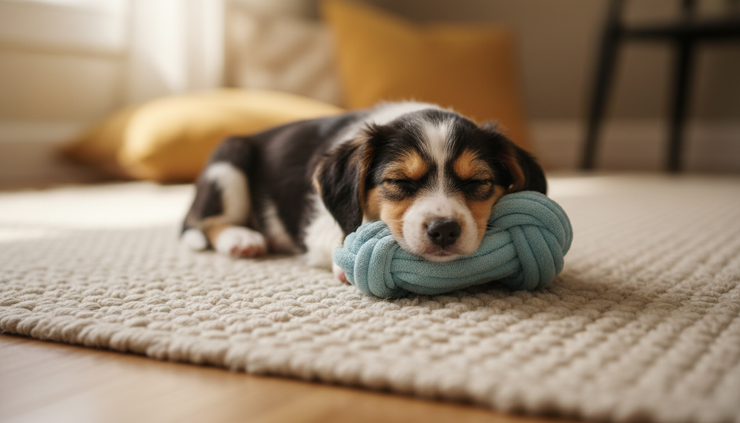
Breed, size, and temperament can change normal sleep needs
Breed does not create one exact sleep rule, but it can shape a dog’s energy level, body demands, and preferred routine. Size, working history, coat type, face shape, and temperament all play a role.
Large and giant breeds may rest more
Large and giant breeds often enjoy long rest periods. Great Danes, Mastiffs, Newfoundlands, Saint Bernards, and similar breeds may sleep more than smaller, lighter dogs. Their size puts more demand on the body, and many were bred for calm steadiness rather than constant motion.
A large dog who sleeps 14 to 18 hours may still be normal, especially if they are relaxed but alert when awake. The bigger concern is when a large dog becomes stiff, reluctant to rise, or unusually tired during activity.
Working and herding breeds may need more mental wear
Border Collies, Australian Shepherds, Belgian Malinois, German Shepherds, and many sporting breeds can be very active. Some do not naturally choose long naps if their minds are underused. They may pace, bark, shadow people, or look for jobs.
These dogs still need sleep, but they may settle better after a mix of:
Physical exercise
Training games
Scent work
Puzzle feeders
Chewing outlets
Calm decompression time
A tired body is not the same as a settled mind. For active breeds, mental enrichment can make rest easier and healthier.
Toy and companion breeds may nap often
Small companion dogs may nap frequently throughout the day, especially if they live in a quiet home. Chihuahuas, Shih Tzus, Maltese, Pomeranians, and similar breeds can have normal routines that include many short naps.
Small dogs can also be sensitive to cold, stress, dental pain, and changes in appetite. If a small dog suddenly hides and sleeps much more than usual, do not assume it is just a lazy day.
Brachycephalic breeds need closer sleep observation
Flat-faced breeds such as Bulldogs, French Bulldogs, Pugs, Boston Terriers, and some Shih Tzus can have breathing challenges because of their anatomy. Snoring may be common in these dogs, but loud, labored, interrupted, or restless sleep can signal trouble.
Watch for signs such as:
Gasping during sleep
Waking suddenly to breathe
Blue or pale gums
Heavy breathing at rest
Extreme heat intolerance
Collapse or weakness
These signs need veterinary guidance. Breathing comfort matters every hour of the day, including during sleep.

When extra sleep is normal and when it may be a warning sign
Extra sleep is often harmless when it has a clear reason. A dog may sleep more after a long walk, a boarding stay, a playdate, a road trip, grooming, vaccination, or a stressful event. Many dogs need a recovery day after high excitement.
The pattern matters. A dog who sleeps more after a busy day but still wakes for meals, drinks normally, wants to go outside, and seems comfortable is usually just resting.
A concern grows when the change is sudden, extreme, or paired with other symptoms.
A good rule is to watch the whole dog, not just the number of hours asleep.
Call a veterinarian or schedule an exam if extra sleep comes with any of these signs:
A sudden change in sleep patterns
A dog who normally naps lightly but now sleeps all day, refuses walks, or seems hard to wake should be checked.
Loss of appetite or thirst changes
Sleeping more while skipping meals, drinking far more, or drinking far less can point to illness.
Low interest in favorite activities
A dog who no longer wants food puzzles, toys, greetings, car rides, or walks may feel unwell.
Weakness or trouble standing
Difficulty rising, stumbling, shaking, limping, or collapse needs prompt attention.
Vomiting, diarrhea, coughing, or breathing changes
These signs can become serious, especially in puppies, seniors, and dogs with known health conditions.
Signs of pain
Whining, panting at rest, guarding a body part, hiding, trembling, or snapping when touched may mean the dog is hurting.
Confusion or nighttime restlessness
Senior dogs may develop cognitive changes. They might sleep all day, pace at night, stare at walls, get stuck in corners, or seem disoriented.
Weight change
Weight gain can make dogs more tired, while weight loss can signal disease. Both deserve a closer look if paired with sleep changes.
Some medical issues can make dogs sleep more, including infections, pain, arthritis, anemia, thyroid problems, heart disease, digestive illness, diabetes, kidney disease, medication side effects, and recovery from injury. This does not mean a sleepy dog has one of these problems. It means sleep changes can be one clue among many.
How to track sleep and decide when to call the veterinarian
You do not need to monitor every minute of your dog’s day. A simple pattern check is enough for most households. The goal is to know what “normal” looks like for your dog so changes stand out.
Start by watching these basics for one to two weeks:
What to watch | What to notice |
Sleep timing | When the dog usually naps and sleeps overnight |
Wakefulness | Whether the dog wakes easily and seems alert |
Appetite | Whether meals and treats are normal |
Water intake | Any clear increase or decrease |
Bathroom habits | Frequency, accidents, diarrhea, straining, or changes |
Movement | Stiffness, limping, reluctance to jump, or slower walks |
Mood | Interest in people, toys, play, and routine activities |
A written note on your phone can help. You might write, “Slept most of afternoon after dog park, ate dinner, normal walk,” or “Hard to wake, skipped breakfast, no interest in walk.” Those details are useful if you need to talk with a veterinarian.
Give healthy rest a better chance
Many dogs sleep better when their daily routine meets their physical and emotional needs. Rest is easier when a dog feels safe, comfortable, and appropriately tired.
Try these simple habits:
Keep a regular meal and potty schedule when possible.
Offer daily exercise that fits the dog’s age, breed, and health.
Add short training or scent games for mental stimulation.
Provide a quiet bed away from heavy household traffic.
Make sure puppies get scheduled nap time.
Keep senior dogs comfortable with supportive bedding.
Watch room temperature, especially for flat-faced, thick-coated, very young, or older dogs.
Avoid intense exercise in extreme heat.
A dog who sleeps all day from boredom may not be sick, but they may still need more enrichment. Gentle changes can help. Add sniffing walks, food puzzles, safe chews, short training sessions, or calm play. Then watch whether the dog becomes more engaged while still resting well.
Know when observation is not enough
Observation is helpful when a dog is otherwise normal. Veterinary advice is safer when signs are strong, sudden, or unusual.
Contact a veterinarian soon if:
Your dog’s sleep increases sharply with no clear reason.
Your dog is difficult to wake.
Your dog skips more than one meal or refuses water.
Your puppy or senior dog becomes unusually sleepy.
Your dog shows pain, weakness, breathing trouble, vomiting, diarrhea, or collapse.
Your dog starts sleeping much more after beginning a new medication.
Your dog’s nighttime restlessness or confusion increases.
Seek urgent care right away for collapse, severe breathing difficulty, pale or blue gums, repeated vomiting, seizures, extreme weakness, or signs of severe pain.

The main takeaway about sleepy dogs
Dogs sleep a lot because rest is a normal part of their biology. Puppies may need up to 18 to 20 hours. Many adult dogs sleep around 12 to 14 hours. Senior, giant, or very calm dogs may sleep more. Breed, age, health, exercise, stress, and daily routine all affect the number.
The best guide is your dog’s usual pattern. If a dog sleeps more but wakes easily, eats, drinks, moves well, and acts like themselves, extra rest is often normal. If sleep changes suddenly or comes with appetite loss, weakness, pain, breathing changes, confusion, or a drop in interest, call a veterinarian.
A well-rested dog is often a healthier, happier dog. Pay attention to the rhythm, not just the clock.


Comments